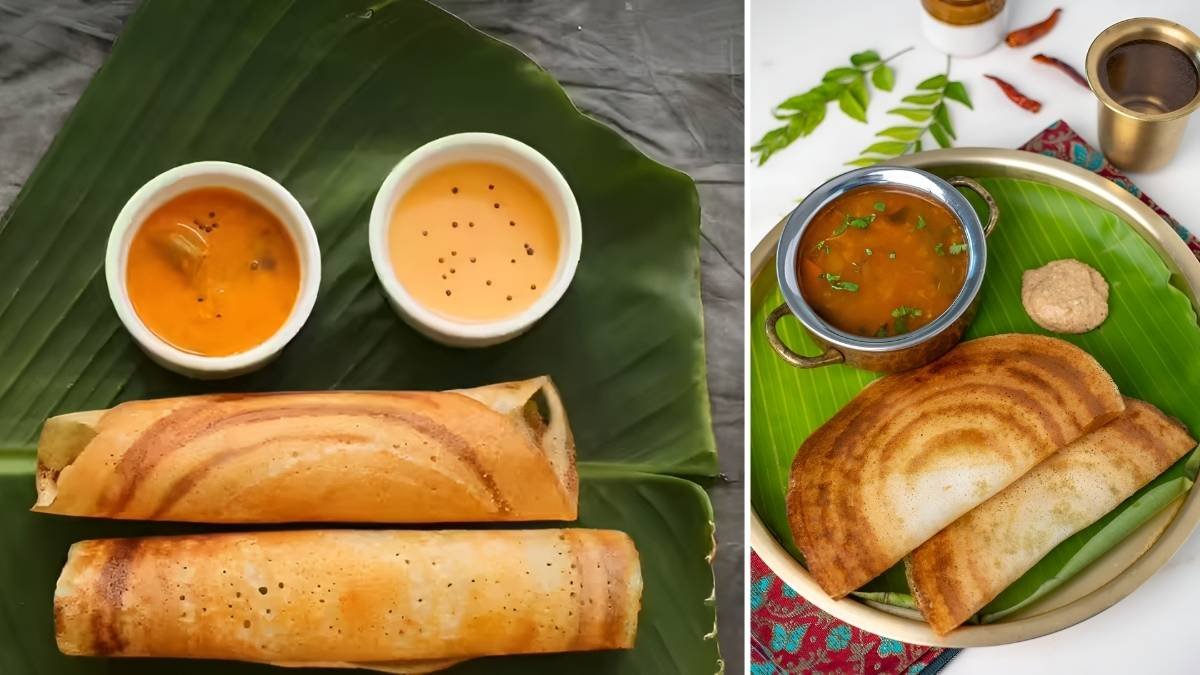
If you’re a dosa lover, you know that the magic of a crispy dosa starts right in the batter. Getting that perfect dosa batter can sometimes feel tricky too thick, too sour, too watery. But don’t worry! I’m here to share 6 simple, foolproof tips to make your dosa batter crispy, light, and delicious every single time. Let’s dive in!
What Is Dosa Batter and Why It Matters
Dosa batter is a fermented mixture of rice and urad dal (split black gram) that’s ground into a smooth paste. This batter is the base for making dosas thin, crispy South Indian crepes. The texture, taste, and crunchiness of your dosa depend heavily on the quality and consistency of the batter.
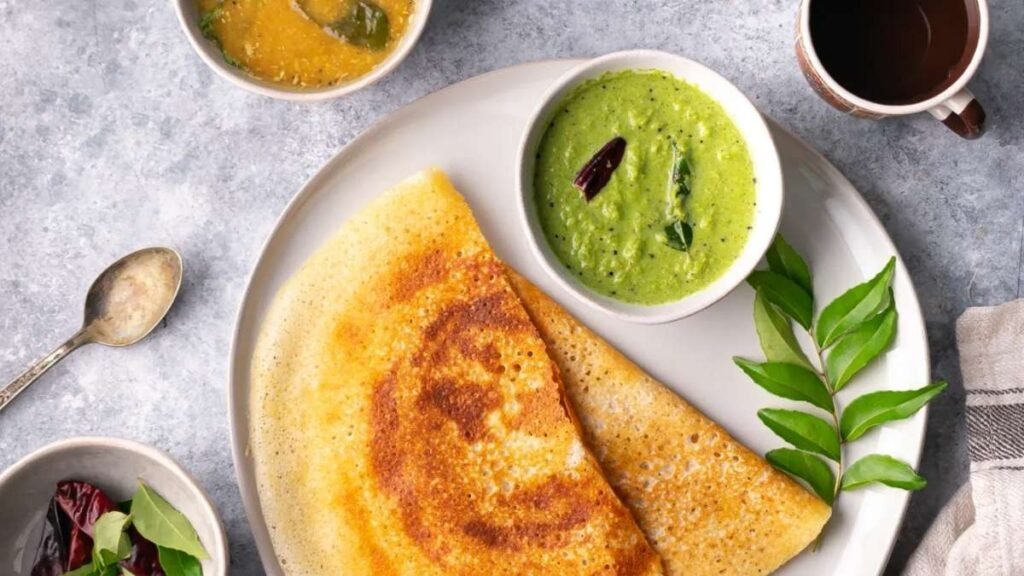
Why does it matter? Because even the best pan and perfect heat won’t save a dosa if your batter is off. So nailing the batter is step one in dosa mastery.
How to Make Dosa Batter – Explained Simply
Making dosa batter involves soaking, grinding, and fermenting rice and urad dal. Here’s a quick rundown:
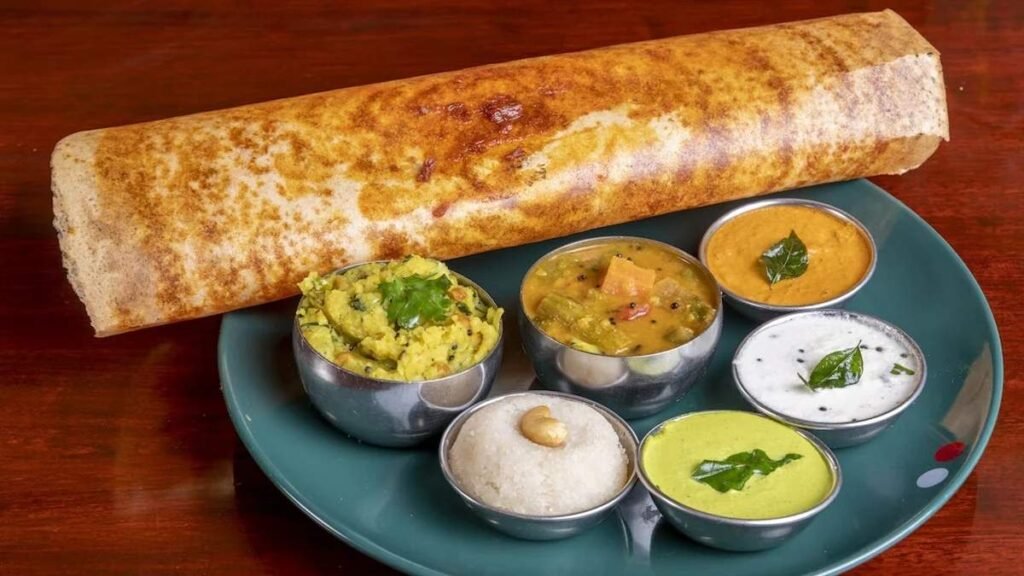
- Soak rice and urad dal separately for 4-6 hours.
- Grind urad dal first until fluffy and smooth.
- Grind rice to a slightly coarse texture.
- Mix both with salt and let it ferment overnight (8-12 hours) at room temperature.
The fermentation step is what makes the batter light and helps achieve that signature tangy flavor and crispy texture.
6 Best Tips to Make Perfect, Crunchy Dosa Batter Every Time
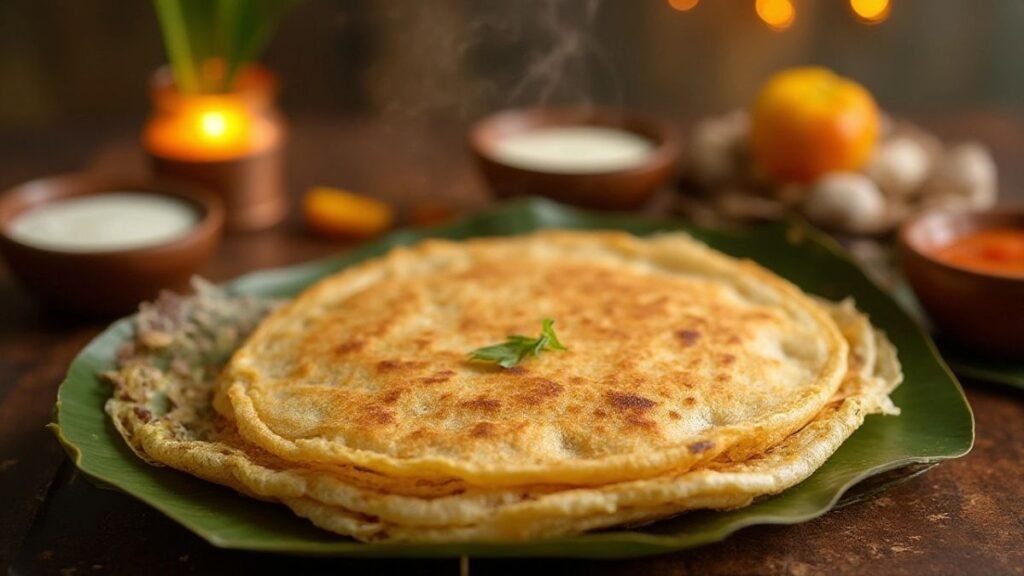
1. Choose the Right Rice and Dal Variety
For authentic, crispy dosas, use parboiled rice or idli rice along with split urad dal with skin removed. Parboiled rice gives a good crunch and firmness. Avoid using plain raw rice it makes the batter sticky and soft.
2. Soak for the Right Duration
Soak rice and urad dal separately for 4 to 6 hours. This softens the grains, making grinding easier and fermentation more effective. Soaking too long can over-soften the grains, affecting texture.
3. Grind Batter to the Perfect Consistency
Grind urad dal until it’s ultra smooth and fluffy this helps trap air, leading to a lighter batter. Grind rice to a slightly coarse texture (not too fine). Mix well with urad dal paste.
4. Use Clean Water and Maintain Temperature for Fermentation
Use clean, filtered water for soaking and grinding. Fermentation needs a warm spot (around 30°C/86°F). In colder climates, keep the batter in an oven with the light on or near a warm appliance.
5. Don’t Overdo the Fermentation
Fermentation usually takes 8-12 hours. Over-fermentation can make batter too sour and thin, affecting dosa crispiness. Under-fermentation results in bland dosas. Check for a bubbly, slightly sour batter.
6. Adjust Batter Consistency Before Making Dosas
Your batter should be pourable but not too watery. Add water little by little before cooking if it feels thick. A thin batter spreads easily on the pan and crisps up better.
Common Mistakes With Dosa Batter
| Mistake | Problem | Solution |
|---|---|---|
| Using wrong rice type | Soft, soggy dosas | Use parboiled or idli rice |
| Not soaking long enough | Hard batter, difficult grind | Soak for at least 4 hours |
| Grinding too coarse | Lumpy batter, uneven texture | Grind urad dal smooth, rice slightly coarse |
| Fermenting in cold area | No fermentation, bland taste | Find a warm spot or use oven light |
| Over-fermentation | Sour, watery batter | Check batter at 8-10 hours |
When to Know Your Dosa Batter Is Perfect and Ready
Look for these signs:
- The batter has risen and looks bubbly on top.
- It has a pleasant tangy aroma, not overly sour.
- The consistency is smooth and pourable, like a thick pancake batter.
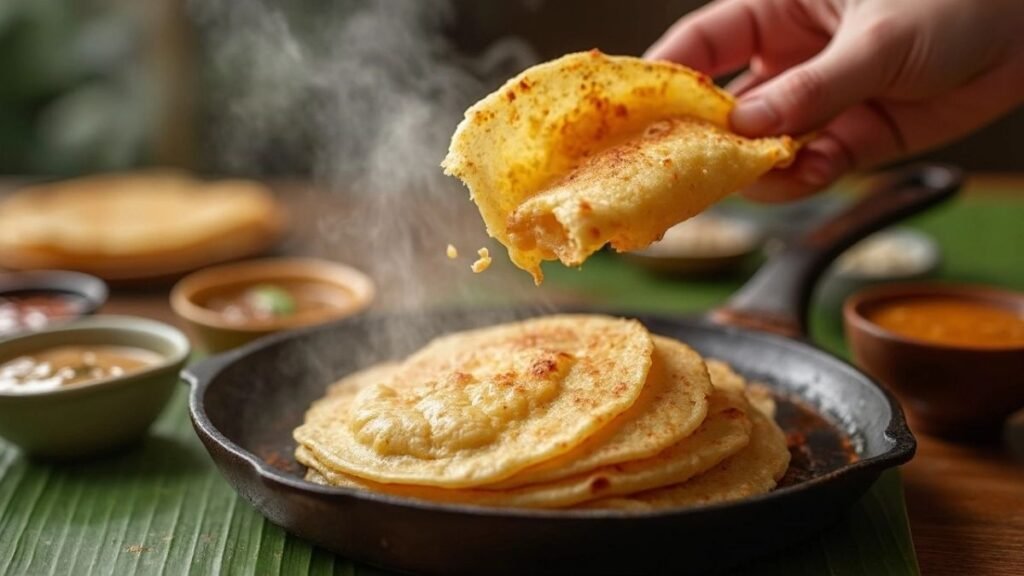
- When spread on a hot pan, it crisps up quickly and evenly.
Conclusion: Master Your Dosa Batter and Impress Every Time
Perfect dosa batter is all about the right ingredients, soaking, grinding, fermentation, and consistency. Keep these 6 tips in mind, and you’ll soon be flipping crispy, golden dosas like a pro. Remember, a little practice and patience go a long way!
FAQ: Quick Answers on Dosa Batter
Q: When is the best time to ferment dosa batter?
A: Ferment your batter overnight, around 8-12 hours, ideally at 30°C (86°F) for best results.
Q: What rice is best for dosa batter?
A: Parboiled rice or idli rice are best for crispy dosas.
Q: Why is my dosa batter not fermenting?
A: Likely because of cold temperatures; try placing the batter in a warm spot or using an oven with the light on.
Q: How thick should dosa batter be?
A: It should be pourable but not watery similar to pancake batter consistency.
Q: Can I use a blender instead of a wet grinder?
A: Yes, but grinding in small batches and adding water slowly helps achieve better texture.