
Making a hearty, flavorful soup at home doesn’t have to be complicated. With just a few basic ingredients and simple steps, you can create a delicious, homemade soup that’s perfect for any occasion. Let’s dive into the process with these 5 easy steps to help you cook a soup that everyone will love!
What Exactly Is Homemade Soup?
Homemade soup is a warm, comforting dish made from simmering a combination of vegetables, meat, or legumes in water or broth. Unlike store-bought versions, homemade soups offer a rich, fresh flavor because they don’t contain preservatives or artificial additives. You can make soup from scratch to fit your tastes, whether you prefer creamy, chunky, or brothy soups.
What Is the Best Type of Soup to Make at Home?
Choosing the right type of soup depends on your preferences and the season. Some of the best soups to make at home include:
- Classic Chicken Soup: Perfect for cold days, light and full of flavor.
- Tomato Soup: Ideal for pairing with grilled cheese sandwiches.
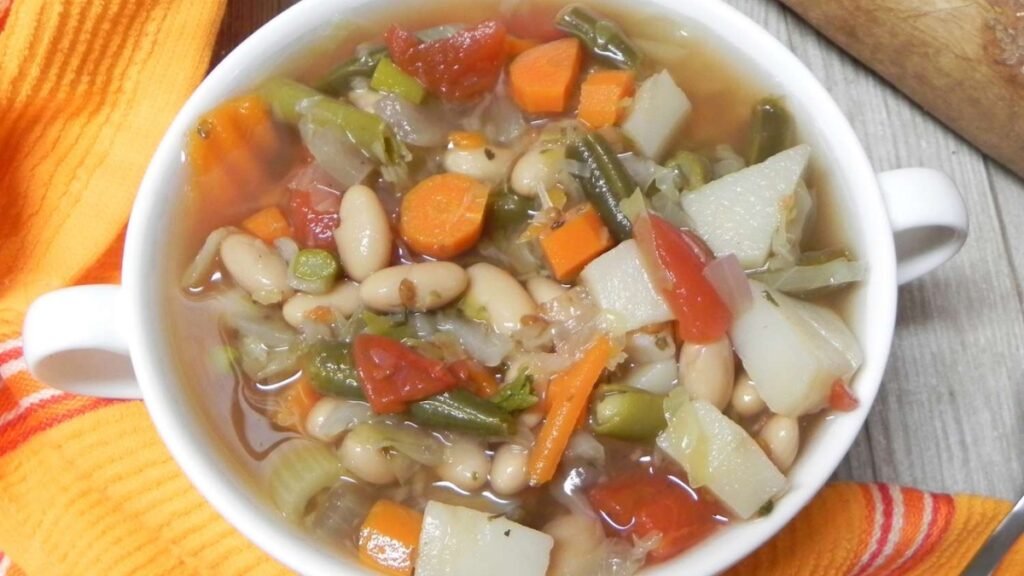
- Vegetable Soup: A great option for those looking for something hearty but vegetarian.
- Butternut Squash Soup: Creamy, sweet, and perfect for fall.
Each of these options is easy to make and requires just a few ingredients.
What’s the Secret to a Great Homemade Soup?
The secret to making great homemade soup lies in the ingredients and the process. Fresh, quality ingredients are essential. Whether you’re using fresh herbs, good stock, or locally sourced vegetables, each choice enhances the flavor. Also, allowing the soup to simmer slowly helps the flavors meld together beautifully.

How Homemade Soup Works – Explained Simply
Making soup is pretty straightforward. You start by preparing your ingredients chopping vegetables, herbs, and possibly proteins. Then, you sauté or simmer everything in a pot, adding broth or water to create the base. After simmering for a while, you season to taste and adjust the texture. Finally, blend if needed to get the desired consistency. It’s all about balancing flavors, textures, and cooking times to achieve the perfect result.
What Is the Basic Recipe for Homemade Soup?
You don’t need a complex recipe to make a fantastic homemade soup. Here’s a simple, fail-safe method to get started:
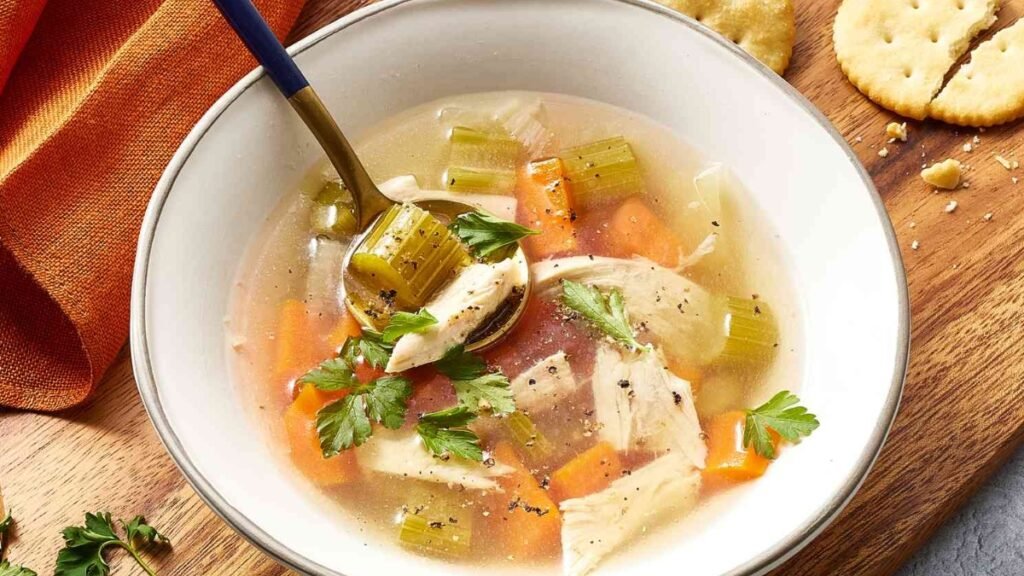
- Pick Your Base: Choose between broth (chicken, beef, or vegetable) or water. Broth adds more flavor.
- Add Vegetables and Aromatics: Onions, carrots, celery, garlic, and herbs are the backbone of most soups.
- Include Protein or Grains: If you want something more filling, add chicken, beef, lentils, or rice.
- Season Well: Salt, pepper, and herbs like thyme, rosemary, or bay leaves are essential for flavor.
- Simmer and Taste: Let everything simmer for at least 30 minutes, taste, and adjust seasonings as needed.
Best Tips to Make the Most of Your Homemade Soup
Making the most out of your soup recipe can be as simple as following these tips:
- Use Stock Instead of Water: It adds more depth to your soup’s flavor.
- Season Gradually: Taste as you go to avoid over-salting.
- Let it Sit: Soups often taste even better the next day, as flavors continue to develop.
- Blend for Creaminess: For a velvety texture, blend your soup using an immersion blender.
- Garnish Smartly: Fresh herbs, a dollop of sour cream, or a sprinkle of cheese can elevate your soup.
What Is the Key to a Hearty Soup?
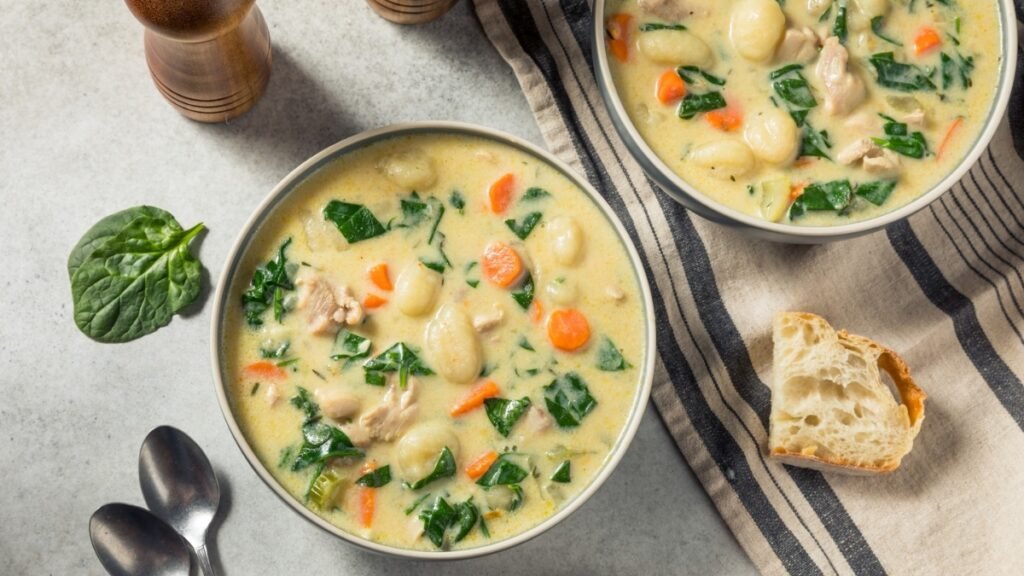
The key to a hearty soup is texture. You want your soup to be satisfying and substantial, so adding things like beans, pasta, lentils, or potatoes can help achieve that. Additionally, balancing the ingredients and simmering them long enough to develop deep flavors is crucial. A thick, rich broth or a creamy base adds to the hearty feeling, making the soup filling without being overly heavy.
How to Make Your Soup Extra Flavorful
If your soup is lacking a little something, here are a few simple tricks:
- Roast Your Veggies: Roasting vegetables before adding them to the soup intensifies their natural sweetness and flavor.
- Add a Splash of Acid: A squeeze of lemon juice or a splash of vinegar can brighten up the taste and balance the richness.
- Fresh Herbs at the End: Add fresh herbs like parsley or basil right before serving for a fresh pop of flavor.
- Smoked Salt or Paprika: A little smoked salt or smoked paprika can give your soup a unique depth.
What Exactly Is the Best Way to Store Homemade Soup?
To store homemade soup, allow it to cool completely before transferring it to an airtight container. Soup can be kept in the fridge for up to 3–4 days or frozen for up to 3 months. Freezing in individual portions makes reheating easy, so you can enjoy it whenever you need a quick meal.

Conclusion: How to Make the Perfect Homemade Soup
Making homemade soup doesn’t have to be complicated. By following these easy steps, using fresh ingredients, and adding your personal touch, you can create a delicious soup every time. Experiment with different flavors, textures, and seasonings to find your favorite version. Remember, patience is key simmering your soup slowly allows the flavors to deepen and meld together beautifully.
FAQs
1. What Is the Best Way to Make Soup Thicker?
You can make soup thicker by blending part of the soup, adding mashed potatoes, or using a cornstarch slurry to thicken the broth. For creamier texture, add heavy cream or coconut milk.
2. How Long Does Homemade Soup Last in the Fridge?
Homemade soup will last 3–4 days in the fridge. Be sure to cool it down before refrigerating it to avoid any bacterial growth.
3. What Should I Serve with Soup?
A great side for soup includes fresh bread, a salad, or grilled cheese sandwiches. You can also add a spoonful of yogurt or sour cream for extra richness.
4. Can I Make Soup in a Slow Cooker?
Yes, a slow cooker is a great way to make soup. Simply add your ingredients, set it on low, and let it cook for 6–8 hours. It’s an easy, hands-off way to create delicious soup.
5. What Should I Do if My Soup is Too Salty?
If your soup is too salty, you can dilute it with water or unsalted broth. Adding potatoes or rice can also absorb some of the salt and balance the flavor.