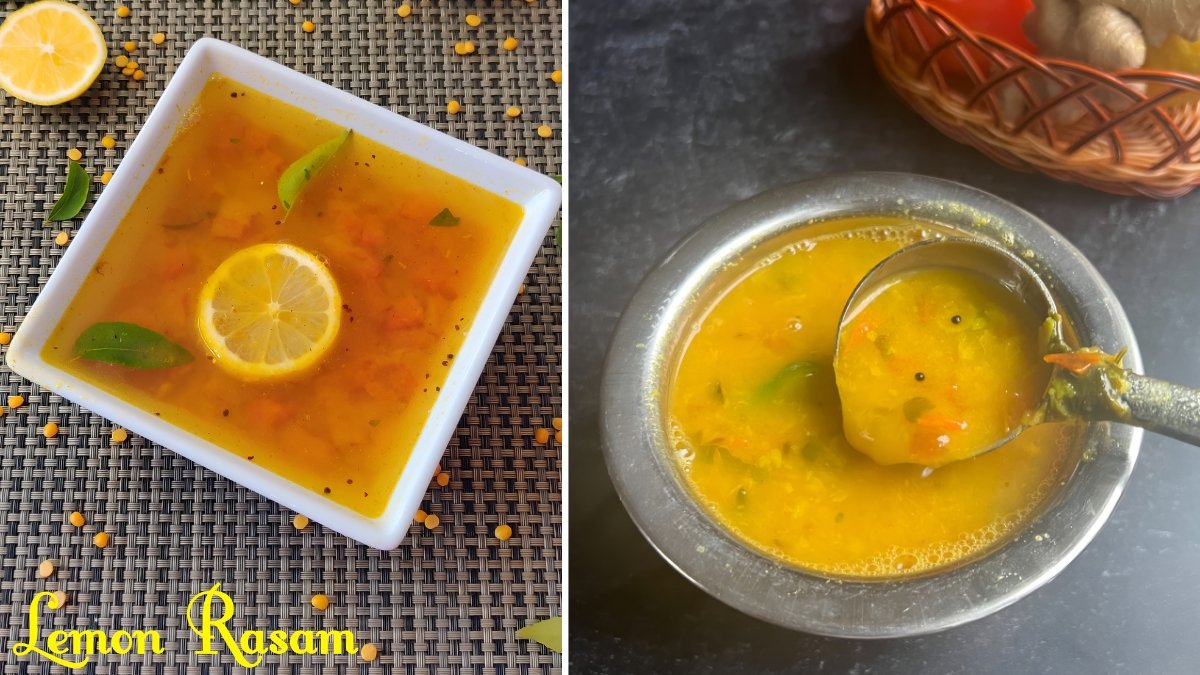
Lemon Rasam is a tangy, flavorful South Indian soup that packs a punch with its refreshing lemony taste. It’s simple, quick, and perfect for any meal, whether as a starter or a comforting side dish. In this post, we’ll walk you through everything you need to know about making the perfect Lemon Rasam. Ready to make your taste buds dance?
What Exactly Is Lemon Rasam?
Lemon Rasam is a type of soup that’s made with a blend of tamarind, spices, and fresh lemon juice. It’s traditionally served as part of a South Indian meal, often paired with rice. The flavor is tangy, spicy, and a little bit earthy, making it the perfect palate cleanser during a rich meal. It’s super easy to whip up and can be made in less than 20 minutes.

What Is the Secret to Making the Perfect Lemon Rasam?
The secret to making a perfect Lemon Rasam lies in balancing the sourness from tamarind and lemon with the spices. The main ingredients are:
- Tamarind (or tamarind paste)
- Fresh lemon juice
- Mustard seeds
- Curry leaves
- Black pepper
- Cumin
- Garlic
- Turmeric
- Coriander
Getting the right blend of these ingredients and cooking them for just the right amount of time ensures your Rasam will have that perfectly balanced, comforting flavor.
What’s the Best Way to Serve Lemon Rasam?
Lemon Rasam can be enjoyed in many ways! The most common way is to serve it hot with rice. You can also sip it directly from a bowl like a soup, or use it as a tangy side to fried snacks or even dosas and idlis. If you like it extra spicy, add more black pepper or green chilies.

How I Make Lemon Rasam – A Step-by-Step Recipe
Let’s get into the details of making this tangy soup at home. Here’s a simple step-by-step guide.
Ingredients:
- 1 tablespoon tamarind paste (or fresh tamarind)
- 1 lemon, juiced
- 1 teaspoon mustard seeds
- 1 teaspoon cumin seeds
- 1/2 teaspoon black pepper
- 1/4 teaspoon turmeric powder
- 1/4 teaspoon asafoetida (optional)
- 1-2 cloves garlic, crushed
- 10-12 fresh curry leaves
- Fresh coriander for garnish
- Salt to taste
- 3 cups water
Instructions:
- Prepare the Tamarind: If using fresh tamarind, soak a small ball of tamarind in hot water for 5–10 minutes, then extract the pulp. If using paste, dissolve it in warm water.
- Cook the Soup Base: In a pot, heat a little oil, add mustard seeds, cumin, and crushed garlic. Let them splutter, then add the tamarind water, turmeric, black pepper, and curry leaves.
- Simmer: Let the mixture simmer for 5-7 minutes to bring out the flavors. Add salt to taste.
- Finish with Lemon: Just before serving, add freshly squeezed lemon juice and stir well.
- Garnish: Top it off with some fresh coriander for a burst of color and extra flavor.
What Are Common Mistakes to Avoid When Making Lemon Rasam?
Making Lemon Rasam is pretty straightforward, but here are a few mistakes to watch out for:
- Overcooking the Rasam: Don’t overcook the tamarind or spices, as it can make the soup too sour or bitter.
- Adding too much lemon: Too much lemon juice can overpower the flavors and make the soup too tangy. A little goes a long way.
- Using too much oil: Rasam doesn’t need much oil for tempering. Keep it light to maintain the soup’s clear texture.
- Skipping the cumin and pepper: These are essential for the distinct flavor of Rasam. Don’t skip them!
What Is the Best Way to Customize Lemon Rasam?
Lemon Rasam is very versatile and can be adjusted according to personal taste. Here are a few ways you can tweak the recipe:

- Add tomatoes: Some people like to add finely chopped tomatoes for an extra depth of flavor.
- Include vegetables: Carrots or drumsticks can be added for added nutrition.
- Make it spicy: Add more green chilies or black pepper if you prefer a spicier version.
What Is the Nutritional Value of Lemon Rasam?
Lemon Rasam is light, healthy, and full of flavor. Here’s a quick look at what it brings to the table:

- Low in calories: Perfect for a light meal or to pair with rice.
- Rich in Vitamin C: The fresh lemon juice provides a healthy dose of Vitamin C.
- Good for digestion: The spices in the Rasam (especially cumin and pepper) help with digestion.
If you’re looking for a low-calorie, vitamin-rich option, this is the soup to go for!
Best Tips to Make the Most of Your Lemon Rasam
To ensure your Lemon Rasam turns out great every time, here are some top tips:

- Use fresh lemon juice: Always use freshly squeezed lemon juice for the best taste.
- Don’t skip the tempering: The tempering of mustard seeds, curry leaves, and cumin gives the Rasam its signature flavor.
- Simmer gently: Let it simmer just enough to bring out the flavors. Overheating can ruin the delicate balance of spices.
Conclusion: A Quick, Flavorful Meal in No Time
Lemon Rasam is a wonderful dish that can be whipped up in no time, giving you a tangy, flavorful soup that’s both delicious and nutritious. Whether you’re looking for a refreshing appetizer, a comforting soup, or a side dish to complement your meal, this recipe is versatile and super easy to make.
Frequently Asked Questions (FAQs)
When should I add lemon juice to Lemon Rasam?
Add lemon juice towards the end of cooking, just before serving. This helps preserve its fresh flavor and tanginess.
What is the difference between Lemon Rasam and Tomato Rasam?
Lemon Rasam is made with tamarind, lemon, and spices, while Tomato Rasam uses tomatoes along with tamarind and spices for a slightly different flavor profile.
How do I make Lemon Rasam more spicy?
To make it spicier, increase the amount of black pepper, add crushed green chilies, or use a pinch of red chili powder during the tempering.
Can I store leftover Lemon Rasam?
Yes, you can store it in the fridge for 2-3 days. Reheat before serving, and always add fresh lemon juice before serving for the best taste.
What is the best way to serve Lemon Rasam?
Lemon Rasam is best served hot, either as a soup or over steamed rice. It also pairs well with Indian snacks like samosas or pakoras.