
Solkadhi, a vibrant, tangy drink made from kokum, is a popular beverage in coastal Indian regions like Maharashtra, Goa, and Gujarat. This drink is not just a thirst quencher, but also offers several health benefits, making it a great addition to your diet. Here’s everything you need to know about how to make solkadhi, and why it should be your go-to refreshing drink.
What Exactly Is Solkadhi?
Solkadhi is a traditional drink made from kokum, a fruit commonly found in the coastal regions of India. Kokum is known for its tangy, slightly sour taste, and when combined with coconut milk, it forms a creamy, cooling beverage. It’s often served as a side dish with rice and curry to balance out the heat or as a digestive aid after meals.
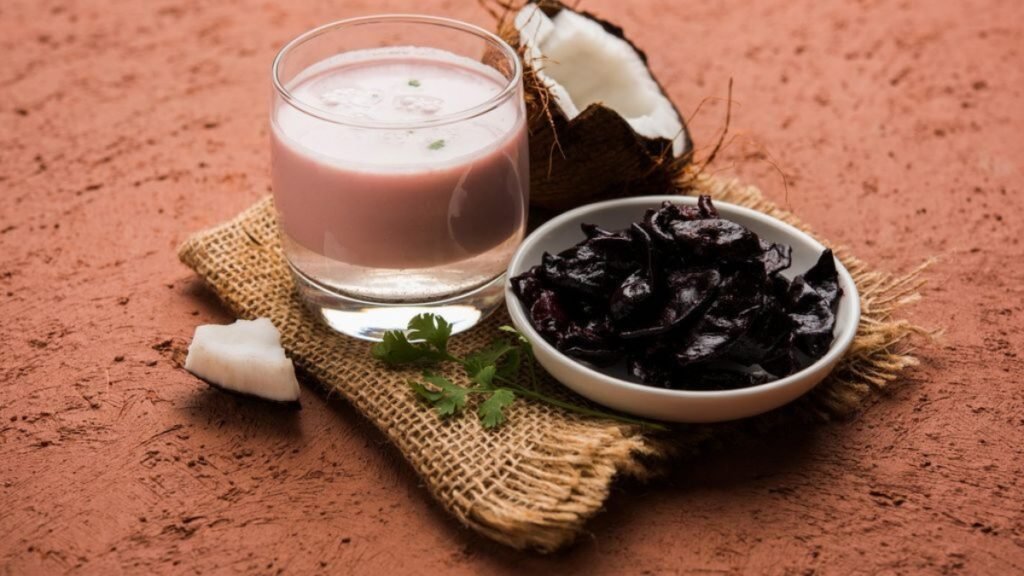
The base of the drink is kokum extract, which is known for its health benefits, including improving digestion, reducing inflammation, and boosting the immune system. The addition of coconut milk enhances the richness and provides a smooth texture.
What Is the Best Time to Drink Solkadhi?
Solkadhi is incredibly refreshing and hydrating, making it perfect for hot weather or after a heavy meal. It’s typically consumed after lunch or dinner in coastal India. However, there’s no wrong time to enjoy this delicious drink it works as a perfect evening refresher or even as a midday pick-me-up.

How Does Solkadhi Work – Explained Simply
The magic behind solkadhi lies in the kokum fruit. Kokum is naturally rich in antioxidants and has anti-inflammatory properties. It helps in digestion, aids in detoxification, and even supports weight loss. Coconut milk adds a creamy texture, while also offering healthy fats, making the drink not just tasty but also nutritious.
When you drink solkadhi, it helps cool your body, especially during summer. It’s also known to soothe stomach ailments, including indigestion, acidity, and bloating. The combination of ingredients works wonders for overall gut health and is believed to improve skin health as well.
What Are the Ingredients for Making Solkadhi?
Making solkadhi is easy, and the ingredients are simple and commonly available in Indian kitchens. Here’s a quick look:

- Kokum: The star ingredient, usually available in dried form.
- Coconut Milk: Fresh or canned, coconut milk is what gives solkadhi its creamy texture.
- Cumin Seeds: Lightly roasted cumin adds a fragrant touch to the drink.
- Green Chilies: For a bit of heat, optional depending on your spice preference.
- Coriander Leaves: Adds a fresh, herby flavor.
- Salt and Sugar: Adjust to taste, balancing the tanginess of the kokum.
What Is the Best Way to Prepare Solkadhi?
Making solkadhi is relatively easy. Here’s a step-by-step guide to prepare it at home:
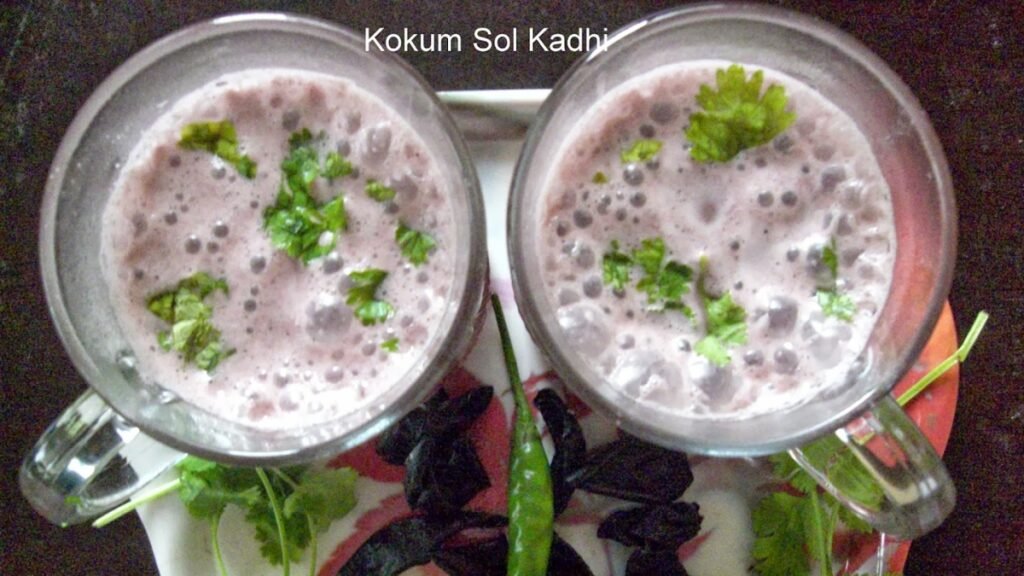
- Soak the Kokum: Soak about 6-8 dried kokum pieces in warm water for 10-15 minutes. This will help extract the flavor and color.
- Prepare the Coconut Milk: If you’re using fresh coconut, grind it into a smooth paste and extract the milk. Alternatively, use store-bought coconut milk.
- Make the Spice Mix: In a small pan, roast a teaspoon of cumin seeds until fragrant. Grind them lightly in a mortar and pestle or with a grinder.
- Combine Everything: In a bowl, combine the soaked kokum, coconut milk, roasted cumin powder, salt, and sugar. Stir well to mix.
- Garnish and Serve: Garnish with chopped coriander leaves and, if desired, finely chopped green chilies for added flavor. Chill it in the fridge for a few hours before serving.
What Are the Health Benefits of Solkadhi?
Solkadhi is not just delicious, but also incredibly healthy. Some key health benefits include:
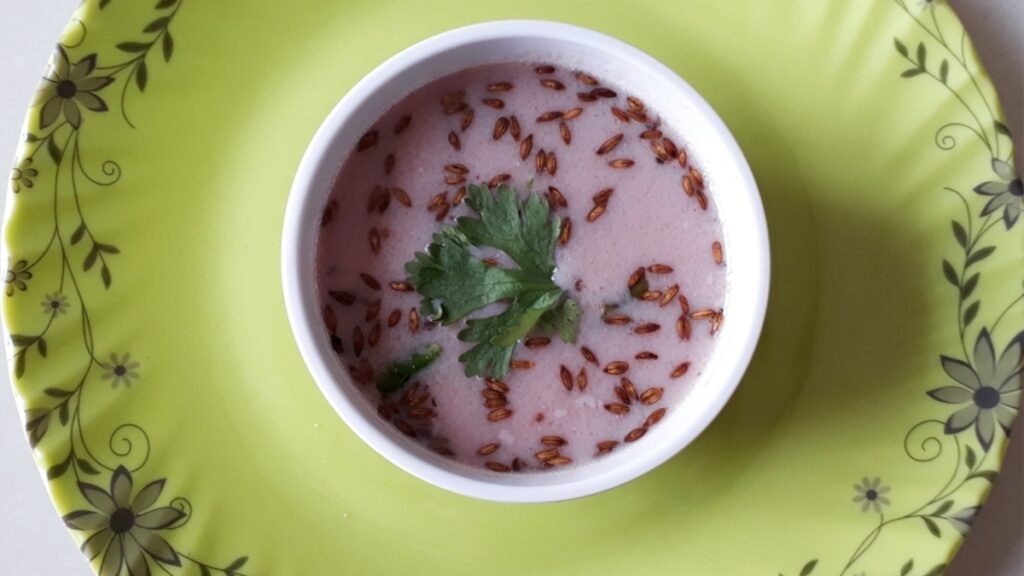
- Aids Digestion: The combination of kokum and coconut milk is great for improving digestion and soothing acidity.
- Boosts Immunity: Kokum is rich in vitamin C, which can boost your immune system.
- Anti-inflammatory: Both kokum and coconut milk have anti-inflammatory properties, helping to reduce bloating and discomfort.
- Cooling Effect: It helps in cooling the body, making it perfect for hot weather or after spicy meals.
Common Mistakes to Avoid When Making Solkadhi
While solkadhi is an easy drink to make, there are a few common mistakes that can affect the taste:
- Using Too Much Coconut Milk: This can make the drink too rich or heavy. Stick to a balanced ratio of kokum to coconut milk.
- Over-soaking the Kokum: Soaking kokum for too long can make the drink too sour. 10-15 minutes is usually sufficient.
- Skipping the Roasted Cumin: Roasting the cumin seeds is essential to bring out their flavor. Don’t skip this step!
Best Tips to Make the Most of Solkadhi
- Chill It: Solkadhi tastes best when served chilled, so refrigerate it for at least an hour before serving.
- Add Spice: For an extra kick, add finely chopped green chilies or black pepper.
- Customize the Sweetness: Adjust the sugar based on how sour your kokum is, and balance the flavor according to your preference.
- Pair with Rice: Serve solkadhi alongside rice and curry to complete the meal, or enjoy it on its own as a light appetizer.
What Exactly Is the Ideal Serving Size of Solkadhi?
Solkadhi can be served as a small, refreshing drink before meals or as a side accompaniment to lunch or dinner. A typical serving size is about 100-150 ml, as it is usually served in small cups. This portion is sufficient to enjoy its health benefits and refreshing taste.
Conclusion: Why You Should Try Solkadhi
Solkadhi is not just a tangy drink; it’s a wholesome, nutritious, and refreshing beverage that can boost your digestion, hydrate your body, and cool you down in the heat. With its simple ingredients and quick preparation, solkadhi is a great option for anyone looking for a healthy, tasty drink.
Frequently Asked Questions (FAQ)
1. What is the taste of solkadhi?
Solkadhi has a tangy, slightly sour flavor from the kokum, combined with the creamy richness of coconut milk. It’s refreshing and mildly spicy if you add chilies.
2. When should I drink solkadhi?
Solkadhi is typically consumed after meals to aid digestion, but it can be enjoyed any time as a refreshing drink, especially in the heat.
3. How do I store solkadhi?
Store solkadhi in an airtight container in the refrigerator for up to 2 days. Be sure to stir well before serving.
4. Can solkadhi be made without coconut milk?
Yes, if you’re looking for a dairy-free option, you can substitute coconut milk with a plant-based milk, but traditional solkadhi uses coconut milk for its creaminess.
5. Why is kokum used in solkadhi?
Kokum is the key ingredient in solkadhi because of its tangy flavor, antioxidants, and digestive properties. It’s what gives solkadhi its signature taste.