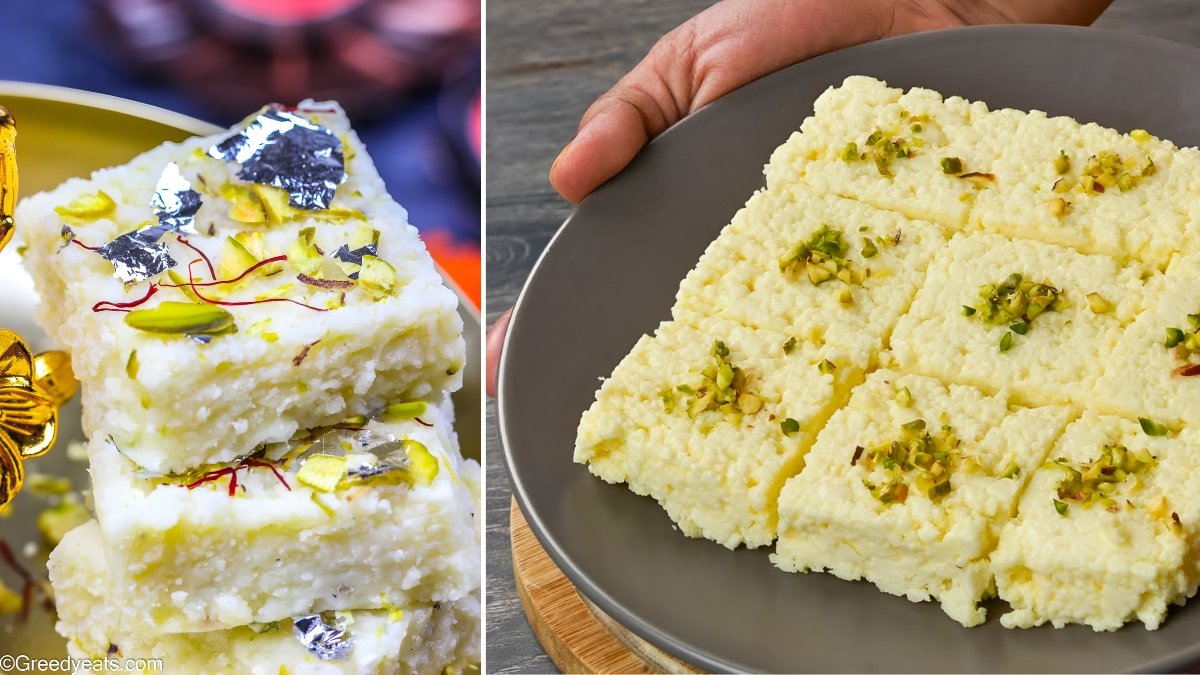
Milk cake, also known as Kalakand, is a popular Indian dessert that’s loved for its melt-in-your-mouth texture and rich taste. Whether it’s for a festive occasion or just a treat to enjoy at home, Kalakand is surprisingly simple to make, and the result is always impressive.
In this guide, we’ll walk you through how to make this delightful dessert, sharing tips, tricks, and common mistakes to avoid. So, let’s dive in!
What Exactly Is Kalakand?
Kalakand is a traditional Indian sweet made primarily from milk. It’s often prepared during festivals or special occasions like Diwali, Holi, or weddings. The dessert has a unique texture: it’s soft yet grainy, offering a perfect balance of sweetness.
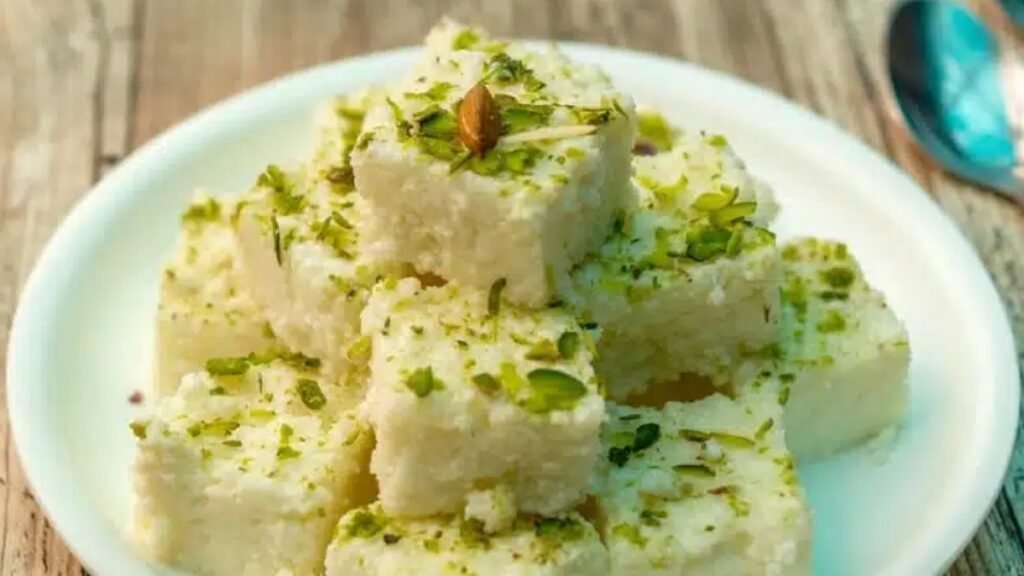
The primary ingredients are milk, sugar, and a small amount of lemon juice or vinegar, which helps in curdling the milk. What sets Kalakand apart is its rich, creamy taste and the subtle graininess that melts in your mouth.
What Is the Difference Between Kalakand and Milk Cake?
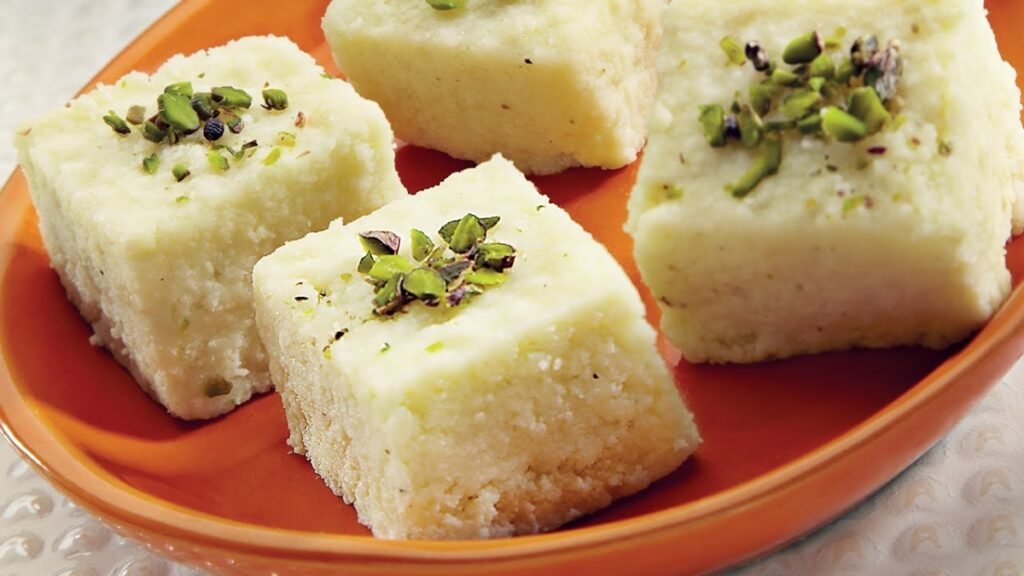
Many people confuse Kalakand with Milk Cake, but there’s a slight difference. Both are made from milk, but Milk Cake (or traditional Kalakand) has a firmer texture and is usually cut into squares or small blocks. Kalakand, on the other hand, has a softer and more crumbly texture.
To make it even clearer:
- Milk Cake: Firm, slightly chewy, and dense.
- Kalakand: Soft, moist, and grainy.
Both are equally delicious, but the texture will differ based on the method used.
How to Make Kalakand at Home – Explained Simply
Making Kalakand at home is easier than you think. Here’s a step-by-step process to get the soft and grainy milk cake that will impress your friends and family.
Ingredients:
- Full-fat milk – 1 liter (the key ingredient)
- Sugar – 3/4 cup (adjust to taste)
- Lemon juice or vinegar – 2 tsp
- Cardamom powder – 1/2 tsp (optional for flavor)
- Chopped nuts – 2 tbsp (optional for garnish)
Instructions:
- Boil the Milk: Pour the full-fat milk into a heavy pan and bring it to a boil. Stir occasionally to prevent it from burning.
- Curdle the Milk: Once the milk starts boiling, add the lemon juice or vinegar. This will help in curdling the milk, separating the whey from the solid part (the chhena).
- Cook the Mixture: Reduce the heat and continue to cook the curdled milk, stirring constantly, until it thickens. Add sugar and cardamom powder, and mix well.
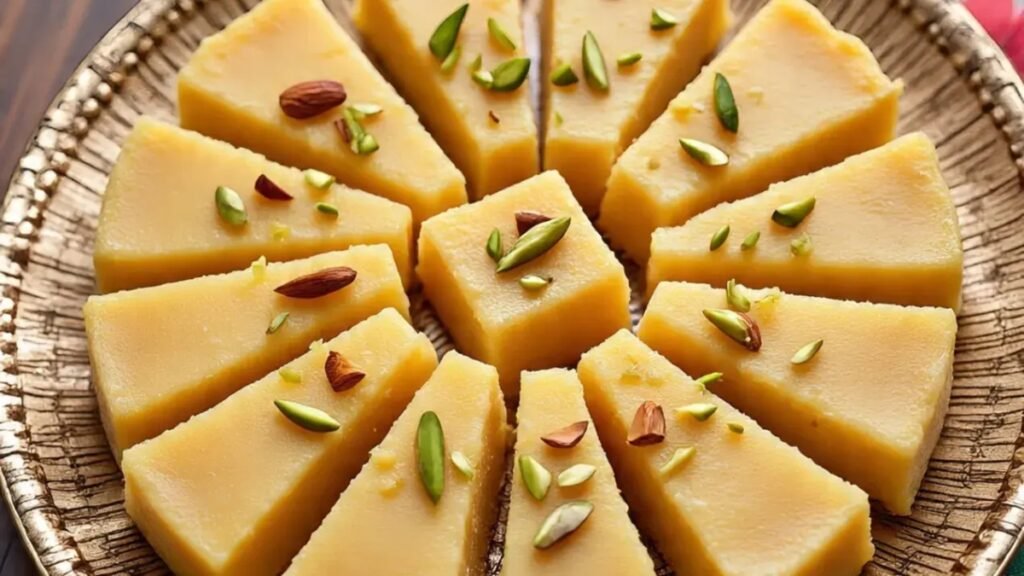
- Set the Kalakand: Once the mixture reaches a fudgy consistency, transfer it to a greased tray or plate. Smooth it out, sprinkle chopped nuts on top, and let it cool down completely. Once set, cut it into squares.
- Serve and Enjoy: Kalakand is ready to be served! You can store it in the refrigerator for 3–4 days.
What Is the Best Time to Make Kalakand?
Kalakand is best made when you have some free time, as it takes about 45 minutes to 1 hour to prepare and cook. It’s especially popular around festivals like:
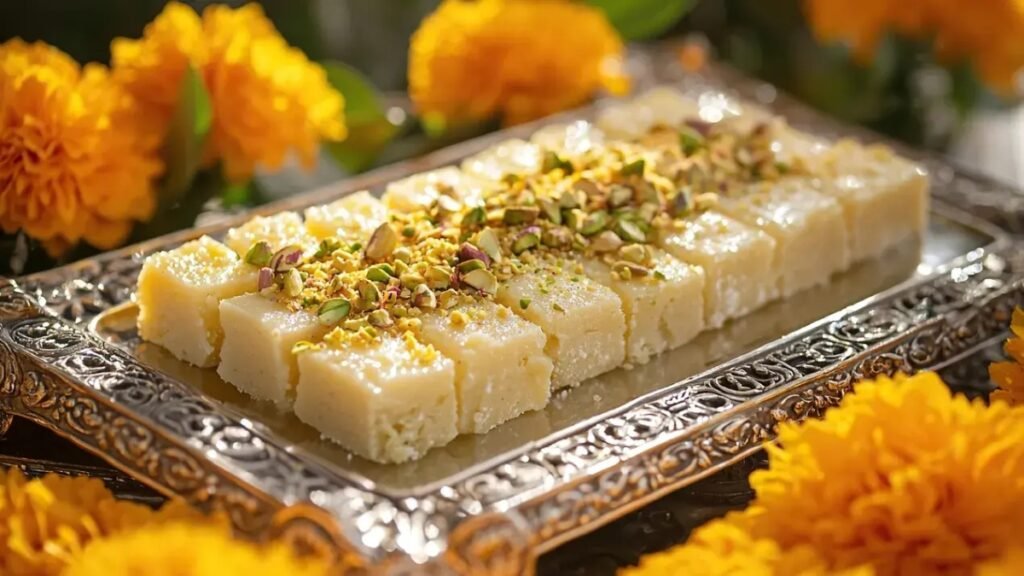
- Diwali: The Festival of Lights, when sweets are a must.
- Holi: The Festival of Colors, often celebrated with lots of sweet treats.
- Eid: A time for sharing delicious food with family and friends.
However, you can make Kalakand any time you crave something rich and satisfying!
What They Are: Common Mistakes With Kalakand and How to Avoid Them
Making Kalakand is simple, but there are a few mistakes you need to watch out for:
- Not Using Full-Fat Milk: Using low-fat milk won’t give you the creamy texture you need. Stick with full-fat milk for the best results.
- Overcooking the Mixture: If you cook the milk mixture for too long, it can become dry and hard. Keep an eye on the texture and stop cooking once it thickens to the right consistency.
- Skipping the Curdling Step: The curdling of milk is crucial to creating the right texture. Don’t skip adding lemon juice or vinegar when boiling the milk.
- Not Letting It Cool Completely: For the perfect Kalakand texture, let it cool completely before cutting. Otherwise, it might crumble or fall apart.
How to Make the Best Kalakand Every Time
Here are some extra tips to make sure your Kalakand turns out perfectly every time:
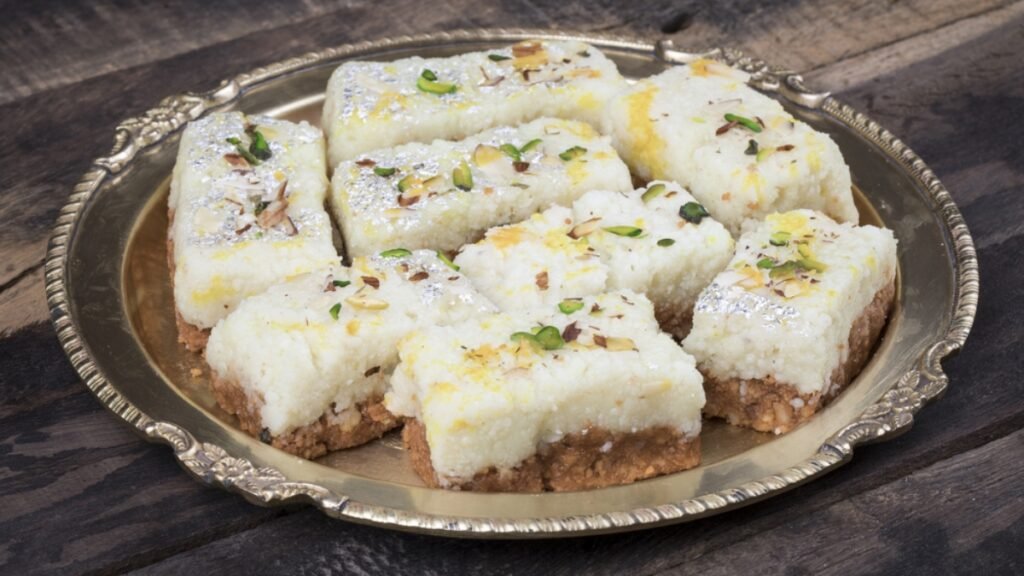
- Use fresh milk: Fresh milk gives you a creamier texture and better flavor.
- Cook on low heat: Cooking on low heat prevents the milk from burning and gives it a smooth consistency.
- Be patient: Don’t rush the cooking process. It takes time for the milk to thicken and set, so be patient and keep stirring.
- Use a heavy-bottomed pan: This ensures even cooking and prevents burning.
What Is the Shelf Life of Kalakand?
Kalakand can be stored in the refrigerator for 3–4 days. It’s best enjoyed fresh, but if you have leftovers, keep them covered in an airtight container to preserve the flavor and texture.
Conclusion
Kalakand, or Milk Cake, is a delicious and easy-to-make dessert that can be enjoyed year-round. With just a few basic ingredients and a little patience, you can create this traditional Indian sweet at home. Remember to use full-fat milk, curdle the milk properly, and be patient during the cooking process for the best results!
Frequently Asked Questions
1. What is the difference between Kalakand and Milk Cake?
Kalakand is softer and crumbly, while Milk Cake is firmer and denser. Both are made from milk but have different textures.
2. When should I make Kalakand?
Kalakand is perfect for festive occasions like Diwali, Holi, or Eid. You can also make it anytime you’re craving a sweet treat!
3. How do I prevent Kalakand from becoming too hard?
Make sure to cook the mixture on low heat and stop once it thickens to a fudgy consistency. Overcooking can make it hard.
4. What is the best way to store Kalakand?
Store Kalakand in an airtight container in the refrigerator for up to 3–4 days. It’s best enjoyed fresh!
5. Can I add flavorings to Kalakand?
Yes, you can add cardamom powder, saffron, or rose water for an aromatic touch. Nuts like pistachios or almonds can also enhance the flavor and texture.